

Inconel, a family of nickel-chromium-based superalloys, is essential wherever reliability under extreme conditions is required. Its exceptional resistance to heat, corrosion, oxidation, and mechanical stress makes it a top choice in aerospace, oil & gas, power generation, and marine engineering. Understanding the differences between grades—such as Inconel 600, 625, 718, and X-750—is critical for selecting the right alloy. This article dives into each variant’s composition, mechanical and thermal properties, corrosion behavior, practical applications, and guidelines for selecting the best alloy for your project.
At Heeger Metal, we specialize in high-quality Inconel metal products, ensuring optimal performance for industrial and scientific applications.
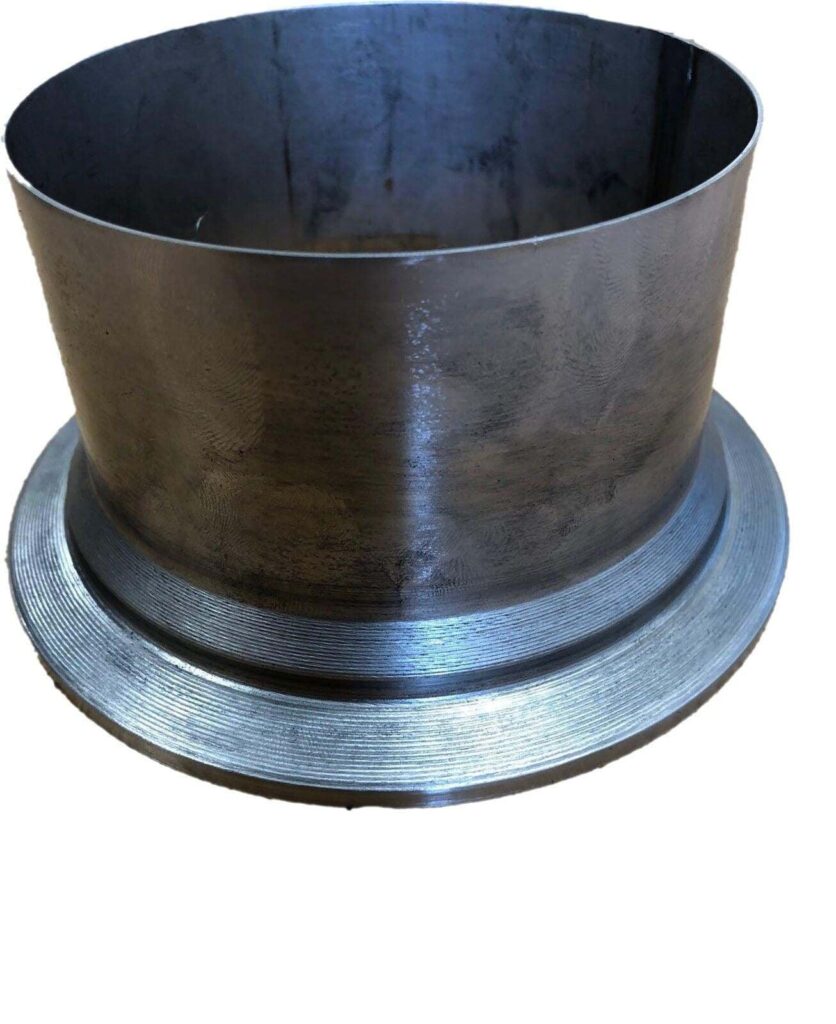
What Is Inconel and How Is It Composed?
Inconel alloys are reinforced nickel-chromium superalloys, enhanced with elements like iron, molybdenum, niobium, and titanium. They possess a single-phase austenitic structure stabilized by nickel, which ensures excellent strength retention even at high temperatures. Meanwhile, chromium supports the formation of a protective oxide layer, offering superior corrosion resistance. Other alloying elements fine-tune properties such as oxidation resistance, creep strength, and weldability.
Core Composition Elements:
| Forms a protective oxide film against oxidation and scaling | Content Range | Role |
| Nickel (Ni) | ≥ 50 % | Provides high-temp structural integrity and toughness |
| Chromium (Cr) | 14–23 % | Forms protective oxide film against oxidation and scaling |
| Iron (Fe) | Varies | Improves strength and reduces cost; balances phase stability |
| Molybdenum (Mo) | 0–10 % | Enhances resistance to pitting and general corrosion |
| Niobium (Nb) | 0–5 % | Significantly improves creep strength and notch toughness |
| Titanium (Ti) | 0–2 % | Helps stabilize the alloy microstructure under heat treatment |
This carefully formulated blend ensures Inconel’s resilience in environments that would degrade most conventional alloys.
Explore our high-quality refractory metal products.
What Are the Main Types of Inconel Alloys?
Each Inconel grade targets specific industrial challenges—from withstanding extreme temperatures, to resisting seawater corrosion or enduring high mechanical loads. Here’s a breakdown of the primary types:
Inconel Grade Overview:
| Alloy | Ni % | Cr % | Additional Elements | Typical Applications |
| 600 | ≥ 72 % | 14–17 % | — | Heat exchangers, furnace parts, oxidation resistance |
| 601 | ~72 % | 23–28 % | Al/Ti stabilized | Petrochemical furnaces, oxidation at high temps |
| 625 | ~58 % | 20–23 % | 8–10 Mo, 3–4 Nb | Marine valves, chemical reactors, aerospace ducting |
| 718 | 50–55 % | 17–21 % | 2.8 Mo, 5 Nb/Ti | Jet engine disks, turbine parts, nuclear plant piping |
| X-750 | ~70 % | 15 % | Strong Nb/Ti, Cr-rich | Turbine blades, high-stress fasteners |
This diversity lets engineers pick the optimal alloy for pressure vessels, thermal systems, corrosive environments, or structural loads.
How Do Their Mechanical Properties Differ?
While all Inconel alloys offer impressive mechanical strength, their performance metrics—tensile strength, yield, elasticity, hardness, and fatigue endurance—vary significantly.
Mechanical Strength Comparison:
| Property | Inconel 600 | Inconel 625 | Inconel 718 | Inconel X-750 |
| Tensile Strength (MPa) | 655 | 930 | 1240 | ~1100 |
| Yield Strength (MPa) | 240 | 480 | 1030 | ~900 |
| Elongation (%) | 40 | 30 | 12–22 | 20–30 |
| Hardness (HRC) | B88 | C30 | C38–42 | C40–45 |
| Fatigue Resistance | Moderate | High | Very High | Very High |
- 600 and 601 provide high ductility—ideal for forming.
- 625 enhances strength and fatigue resistance.
- 718 and X-750 are engineered for high-stress, high-temp applications with excellent creep and fatigue endurance.
Which Inconel Alloy Performs Best at High Temperatures?
Temperature integrity is a hallmark of Inconel. Here’s how each alloy fares under sustained heat:
Temperature Capability Summary:
| Alloy | Avg Max Temp (°C) | Heat Resistance Classification |
| 600 | ~1150 | Excellent for oxidation-heavy environments |
| 625 | ~980 | High-temp corrosion resistance |
| 718 | ~700 | High creep strength, turbine-rated |
| X-750 | ~700–800 | Peak creep resistance with stable structure |
- 600 and 601 are top-tier oxidation warriors.
- 625 adds corrosion defense.
- 718 and X-750 are the go-to high-strength alloys for heat-intensive, load-bearing parts.
How Do the Corrosion Resistances of Each Alloy Compare?
Corrosion resistance is critical for alloys used in marine, chemical, and geothermal setups. Here’s how the primary grades compare:
Corrosion Performance Table:
| Alloy | Chloride/Seawater | Acids (HCl, H₂SO₄) | General Corrosion | Stress-Corrosion Cracking |
| 600 | Good | Moderate | Excellent | Low |
| 601 | Good | Good | Excellent | Moderate |
| 625 | Excellent | Excellent | Excellent | Very Low |
| 718 | Moderate | Moderate | Excellent | Some susceptibility |
| X-750 | Good | Moderate | Excellent | Good |
- 625 is ideal for aggressive, marine, and chemical applications.
- 718/X-750 prioritizes strength over corrosion but remains resilient.
- 600/601 excel in oxidation-heavy settings, with standard corrosion protection.
Inconel vs. Other Superalloys: How Do They Compare?
Comparing Inconel with alternative high-performance alloys highlights why it remains a top choice:
Alloy Comparison Matrix:
| Alloy | Max Temp | Corrosion Resistance | Strength | Machinability | Cost |
| Inconel 625 | ~980°C | Excellent | High | Moderate | High |
| Hastelloy C-276 | ~1000°C | Excellent | Moderate | Moderate | Very High |
| Titanium Ti-6Al-4V | ~600°C | Good | Very High | Moderate | High |
| Stainless 316 | ~870°C | Moderate | Moderate | Easy | Low |
| Monel 400 | ~540°C | Excellent in marine | Low | Moderate | High |
- Inconel holds the edge where environments demand simultaneous heat, corrosion, and stress performance.
- When temperature is less pressing, alternative alloys may offer a better cost-performance balance.
Request a custom quote for inconel metal products.
How to Choose the Suitable Inconel Grade?
Selecting the right grade avoids premature failure and over-spec costs. Here’s a refined decision guide:
Selection Flowchart:
- High-temp oxidation (≥ 1000 °C)? → Use 600 or 601
- Seawater or chloride exposure? → Choose 625
- High-stress turbine or structural component? → Opt for 718 or X-750
- Welding and fabrication emphasis? → 601 or 718 for better weldability
- Long-term cyclic thermal/mechanical use? → Prioritize X-750 for durability
- Tailoring alloy selection to your exact conditions ensures optimal performance and cost-efficiency.
What Industries and Applications Use Each Inconel Alloy?
Each alloy’s practical usage aligns with its strengths:
- Inconel 600/601: Furnace components, heat shields, exhaust liners
- Inconel 625: Marine pumps, offshore valves, chemical reactor vessels
- Inconel 718: Jet engine discs, rocket engine parts, turbine rotors
- Inconel X-750: Aircraft springs, high-temperature fasteners, pressure vessels
These deployments reflect the alloy’s ability to operate under intense heat, corrosive exposure, or dynamic stress.
FAQ
| Question | Answer |
| Can Inconel be welded? | Yes, but requires controlled pre- and post-weld heat treatments—601 and 718 are most weld-friendly. |
| Is Inconel magnetic? | Most wrought alloys are non-magnetic after annealing. |
| Which grade offers the highest creep resistance? | X-750, designed specifically for long-term high-temperature applications. |
| Are there any restrictions on machining? | Requires carbide or ceramic tools due to its hardness and wear-resistant nature. |
| Which grade resists chlorides best? | Inconel 625 due to its molybdenum-niobium composition. |
Conclusion
Inconel alloys are engineered heroes for extreme conditions. Whether your project involves deep-sea corrosion, jet-engine heat, or pressurized chemical exposure, the right Inconel grade is often the key to success. Each variant offers a distinct balance of heat resistance, strength, weldability, and corrosion protection, ensuring long-term performance and safety. For tailored alloy advice or sourcing needs, Heeger Metal provides expert support and procurement services to meet industrial demands for premium Inconel solutions.
Looking for a high-quality inconel metal product? Contact us today!